



Thinking about how to downsize to Eastside Seattle without sacrificing the lifestyle you love? The key is not downsizing, it’s rightsizing: choosing a home that supports how you live today while elevating your day-to-day experience.
Why “downsizing” often feels like a loss—and how to reframe it
For many homeowners in Seattle, the idea of leaving a long-term home can feel heavy. You are not just moving, you are closing a chapter filled with memories, routines, and space that once made sense.
But here’s the shift that changes everything: you are not giving something up, you are refining your lifestyle.
Rightsizing means your home starts working for you again. Instead of maintaining unused rooms or large outdoor spaces, you are choosing:
- Convenience over upkeep
- Proximity over excess space
- Lifestyle alignment over square footage
That’s why so many homeowners are choosing to downsize to Eastside Seattle communities like Bothell, Kenmore, Woodinville, and Kirkland, where you can maintain (or even improve) your quality of life with less daily friction.
If you want a deeper look at this approach, you can explore Alina’s full rightsizing strategy here:
https://alinaaraujo.com/rightsizing/
What you actually gain when you downsize to the Eastside
When you move from Seattle to the Eastside, the biggest surprise for many clients is not what they lose, it’s what they gain.
You gain time.
You gain flexibility.
You gain a home that fits your life now, not ten years ago.

A more intentional daily lifestyle
Eastside communities are designed in a way that naturally supports a balanced lifestyle. Whether you are walking trails, spending time near the water, or enjoying local restaurants and gathering spaces, your environment becomes easier to engage with.
Instead of managing a property, you are actually living in it.
Proximity to what matters most
Many clients choose to downsize to Eastside Seattle areas because they want to be closer to:
- Family in Bothell or Woodinville
- Community hubs in Kenmore
- Walkable pockets and waterfront access in Kirkland
Your home becomes a strategic location, not just a place you return to.

Lower maintenance, higher enjoyment
Large homes come with invisible costs: time, energy, and constant upkeep. Downsizing allows you to trade those responsibilities for simplicity.
That might look like:
- A luxury condo with minimal exterior maintenance
- A single-level home designed for accessibility
- A smaller footprint that feels easier to manage and enjoy
The goal is not “less”, it’s better aligned.
How to downsize to Eastside Seattle strategically (without unnecessary stress)
A successful transition is not just about buying a new home. It is about coordinating timing, finances, and logistics so the move feels seamless, not overwhelming.
This is where strategy matters.
Start with your lifestyle, not your square footage
Before you even look at homes, get clear on how you want to live.
Ask yourself:
- What does an ideal weekday look like?
- What spaces do I actually use today?
- What do I want more of: time, connection, ease?
This clarity shapes everything from neighborhood selection to property type.
Understand how your equity supports your next move
If you have owned your home for years, your equity is likely one of your biggest assets.
A strategic plan helps you:
- Use that equity to fund your next purchase
- Optimize your buying power
- Avoid unnecessary financial pressure during the transition
This is where experience in both lending and real estate (like Alina Araujo has) becomes critical, it allows you to see the full picture, not just the sale.
Plan your move so you don’t have to move twice
One of the biggest fears when downsizing is timing:
“What happens if I sell before I find my next home?”
The right strategy eliminates that concern.
Options may include:
- Coordinated closing timelines
- Rent-backs (post-closing occupancy)
- Bridge financing when needed
The goal is simple: you move once, on your terms, without feeling rushed.
The hidden challenge of downsizing, and how to handle it
The logistics are only part of the process. The emotional side matters just as much.
Leaving a long-term home often involves:
- Sorting through years (or decades) of belongings
- Deciding what to keep, donate, or pass on
- Letting go of a space tied to important life moments
This is where having the right support makes a measurable difference.
A structured approach can include:
- Professional organizers
- Estate sale coordination
- Specialized movers who understand transitions like this
Instead of handling everything yourself, you have a system (and a team) guiding the process.
Who downsizing to the Eastside is really for
You do not need to fit a single mold to make this move. But there are three groups who tend to benefit the most from a strategic rightsizing approach.
Empty nesters ready for a new chapter
If your current home no longer reflects your daily life, downsizing allows you to transition into something more aligned, without sacrificing comfort or quality.
Lifestyle-focused homeowners
If you are looking to simplify while upgrading how you live, whether that means less maintenance or better access to amenities, the Eastside offers strong options.
Strategic rightsizers
Some homeowners are thinking beyond lifestyle alone. They want to unlock equity, reduce expenses, and reposition their real estate portfolio in a way that supports long-term goals.
Why working with the right advisor changes everything
Downsizing is not a standard transaction. It is a multi-step transition that requires coordination, timing, and a clear strategy.
Alina Araujo approaches this differently.
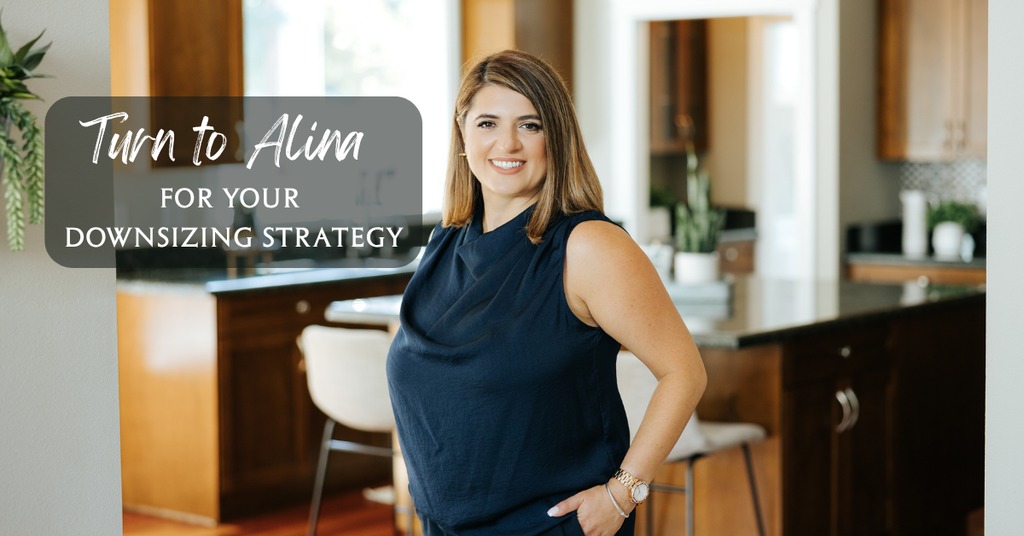
With nearly 30 years of Seattle-area residency and a background in hospitality and lending, she understands both the emotional and financial weight of leaving a long-term home. Since 2012, she has closed over 208 homes and specializes in the “white-glove” service required to guide you through a transition like this with clarity and ease.
Her concierge-level framework includes:
- Property curation focused on accessibility, lifestyle, and location
- Equity maximization strategies based on your specific financial position
- Full coordination of clean-out services, organizers, and movers
- Simultaneous transaction planning so you avoid unnecessary stress
This is not just about buying and selling. It is about managing a life transition with intention.
Final thoughts on how to downsize to Eastside Seattle
If you are thinking about how to downsize to Eastside Seattle, the most important mindset shift is this: you are not stepping back, you are stepping into a home that fits your life now.
The right move should feel lighter, more aligned, and easier to live in every single day.
If you want to explore what that could look like for you, the next step is a strategy, not a search. You can connect with Alina Araujo to map out a personalized plan and move forward with confidence.
Check out this article next